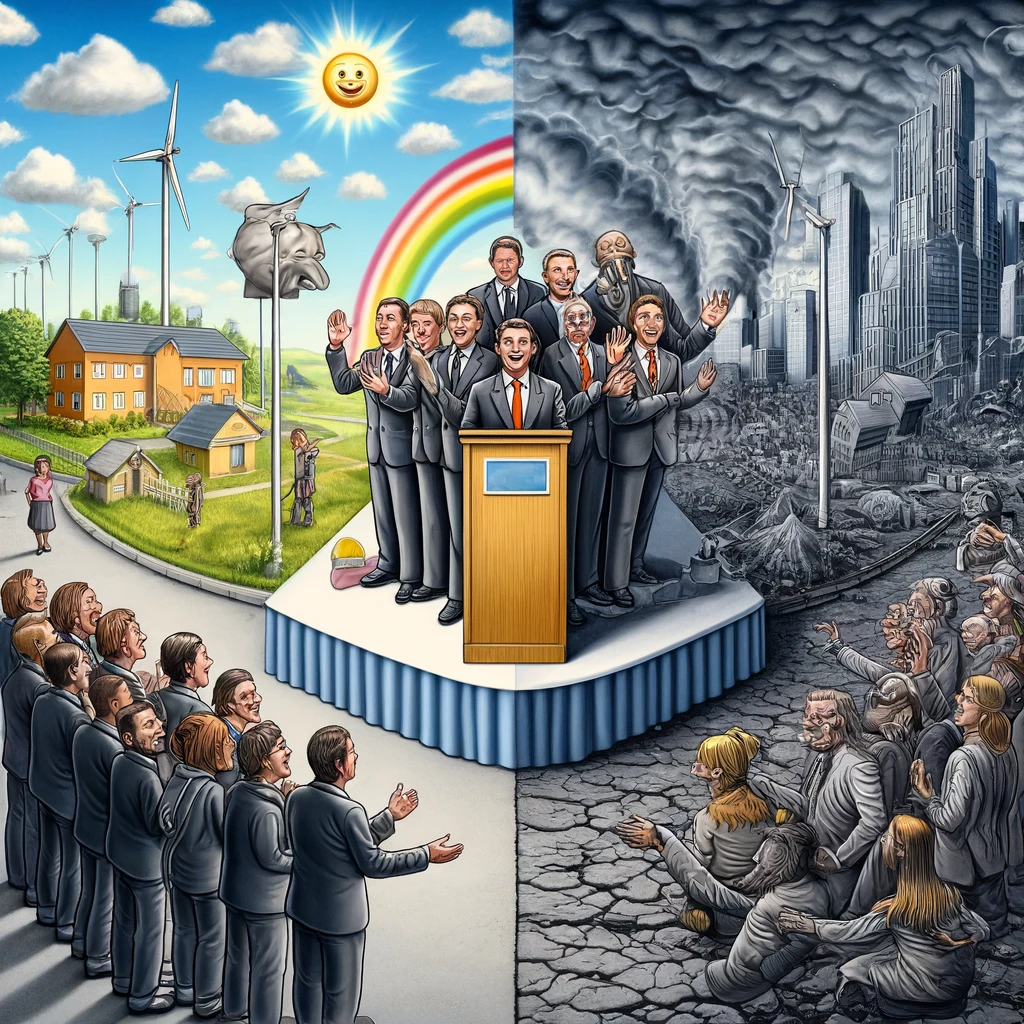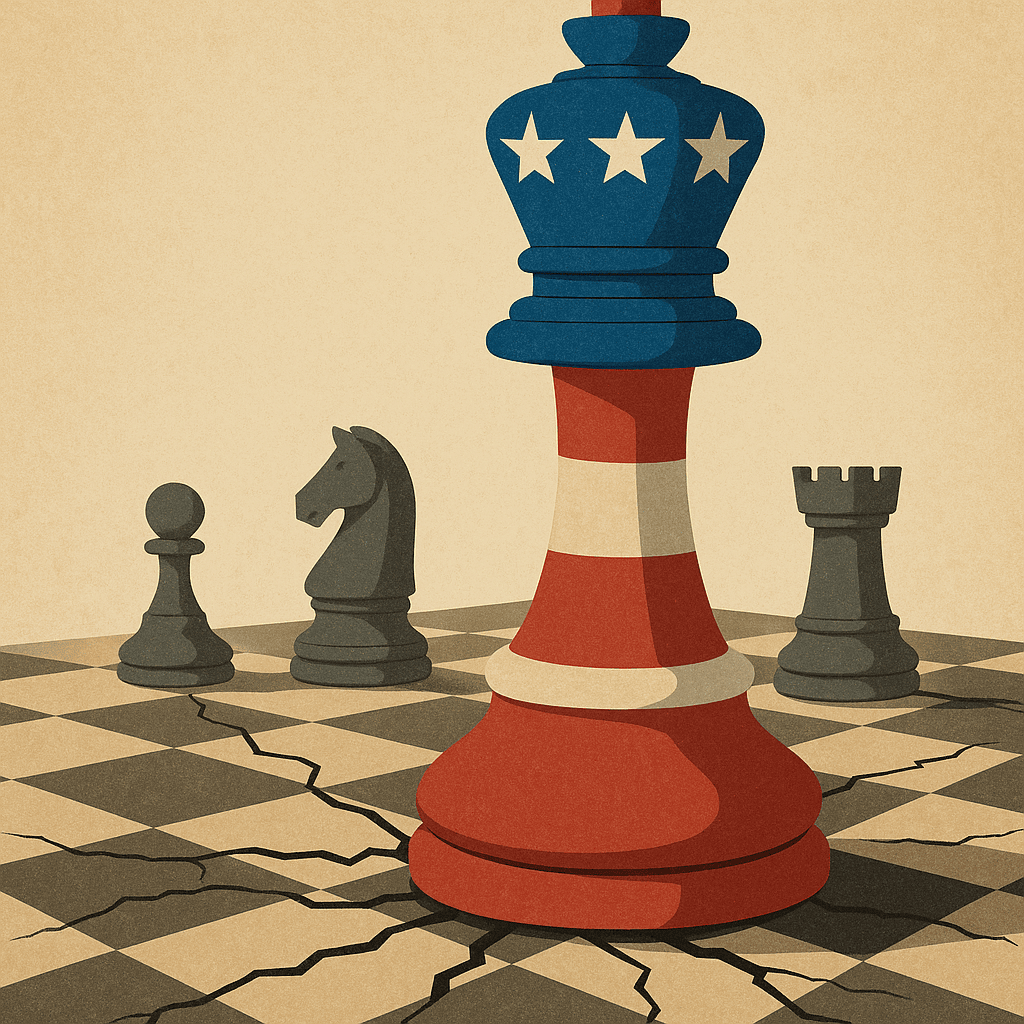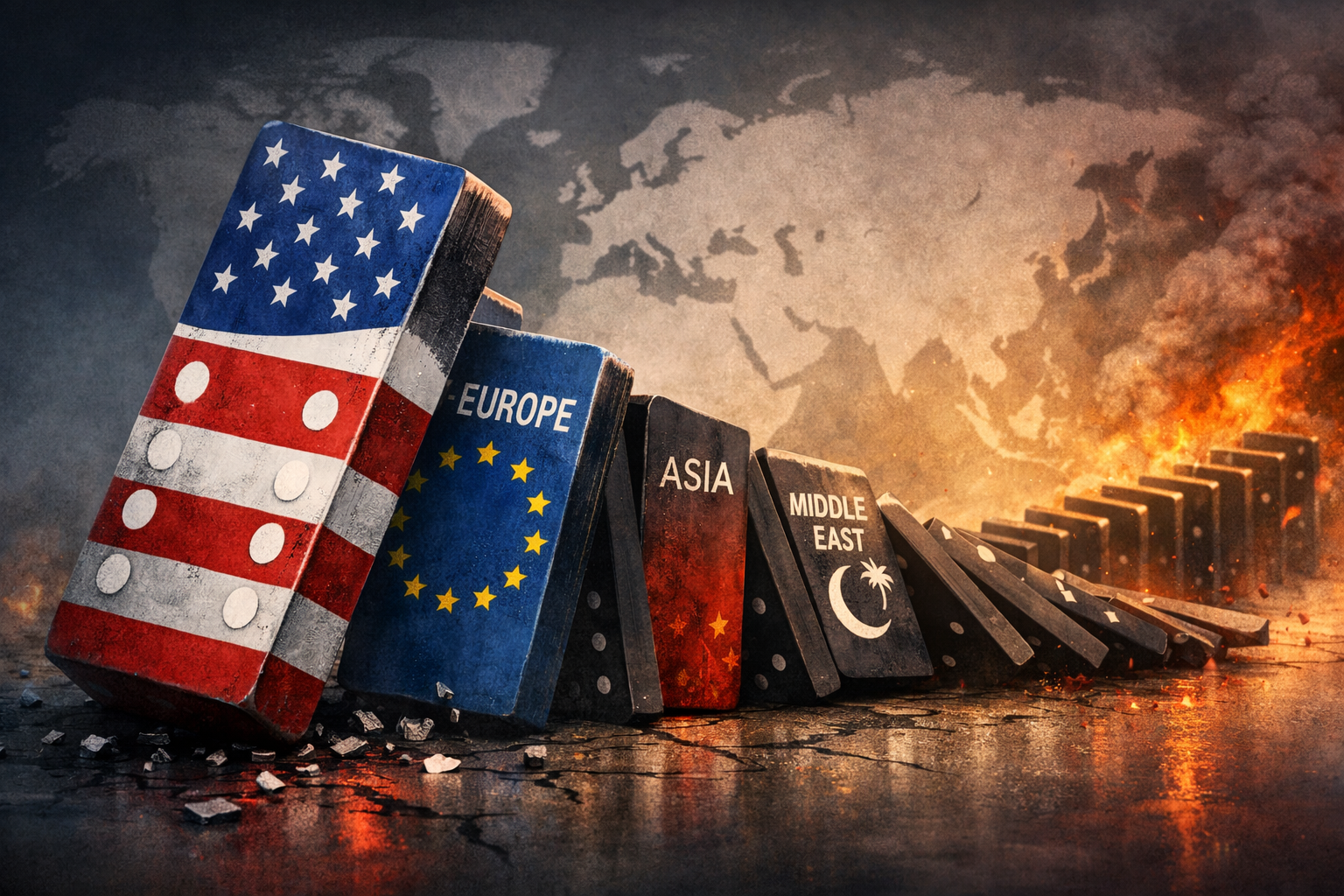
To many people – especially those of us outside the U.S. – Donald Trump’s actions make him look like a selfish child who wants all the toys to himself.
He makes a decision… and suddenly markets move, alliances shift, and ordinary people feel it in their wallets.
And now we’ve moved beyond tariffs and trade rows.
We’re into military action.
Trump and Israel striking Iran – and Iran responding – has sent shockwaves through global markets and politics. Oil reacts. Currencies wobble. Businesses hesitate. And once again, it feels like the world is reacting to decisions made by one man.
Now, I know it’s not literally one man. There are advisors, generals, intelligence briefings.
But from the outside, that’s exactly how it feels.
And that perception matters.
One decision, global consequences
I’m sat in the UK, living a normal life, and suddenly the price of fuel, food, and basic goods can shift because of something happening thousands of miles away.
That’s the part that feels insane.
Millions of people, across Europe, Asia, everywhere – dealing with consequences they had absolutely no say in.
You don’t vote in U.S. elections.
You don’t influence U.S. policy.
But you absolutely live with the results.
And the more unpredictable those decisions feel, the more unstable everything becomes.
Strength… or just noise?
In the short term, Trump projects strength.
America looks assertive. Decisive. Willing to act.
Tariffs. Deals. Military moves.
Everything framed as “America First”.
And maybe – just maybe – some of that does work for Americans in the short run.
But beneath that?
Debt is climbing. Alliances are weakening. Trust is eroding.
Because real strength isn’t just about force or speed.
It’s about stability. Predictability. Relationships.
And those are the things being quietly chipped away.
The world isn’t working with America anymore
It feels like we’ve crossed a line.
Other countries aren’t really “working with” the U.S. anymore.
They’re managing Trump.
That’s a very different dynamic.
Leaders will smile publicly, shake hands, make deals…
But behind closed doors, you can imagine the frustration.
Because how do you plan around someone who might change direction tomorrow?
And here’s the uncomfortable part… they’re pandering to him
This is where it gets even more frustrating to watch from the outside.
World leaders aren’t just reacting to Trump – many are adapting themselves around him.
You see it in the tone.
He speaks bluntly, aggressively, often without the usual political filter.
And instead of matching that honesty or challenging it directly… other leaders switch into careful, diplomatic language.
They soften. They sidestep. They avoid confrontation.
And it makes them look weak.
Take something like the UK state banquet when he visited. For many people, that didn’t feel like diplomacy – it felt like reward. Like validation.
You end up with this strange imbalance:
- One leader saying exactly what he wants, however he wants
- Others choosing words carefully, trying not to offend
- And in the process, losing respect from their own people
Because voters can see it.
They can see when their leaders are standing firm… and when they’re not.
The knock-on effect most people miss
This doesn’t just affect international relations.
It starts to reshape politics inside other countries too.
If leaders are seen to be:
- backing down
- avoiding confrontation
- or “playing nice” while being pushed around
…then voters begin to question them.
You get a shift.
People start wanting leaders who are tougher. More direct. Less diplomatic.
In other words, Trump doesn’t just influence policy.
He influences the style of politics everywhere else.
And not always in a good way.
Not a dictator… but still too much power?
Trump shows clear authoritarian traits.
Centralising power.
Challenging institutions.
Demanding loyalty.
But he’s not a full-blown dictator.
The courts still push back. Systems still exist.
And yet… here we are.
One individual, even within a system, can still trigger global economic swings, geopolitical tension, and real-world consequences for millions of people.
And now, influence how other countries behave politically too.
So maybe the question isn’t:
“Is he a dictator?”
Maybe it’s:
“How much power is too much, even in a democracy?”
And here’s the twist… this may all work against him
For all the dominance, all the control, all the noise…
This could ultimately be Trump’s biggest weakness.
Because power feels great while you have it.
But voters don’t judge power – they judge outcomes.
And outcomes take time to show.
Right now, some Americans may feel stronger.
But what happens if:
- inflation rises
- the cost of living creeps up
- markets become more volatile
- jobs start to wobble
- or conflict escalates further
At that point, the narrative shifts.
From:
“We’re strong again”
To:
“Why does everything feel more expensive and unstable?”
What could turn voters?
Trump’s base is unlikely to move.
But elections are won in the middle.
The people who just want life to feel stable.
They don’t care about strategy.
They care about outcomes.
So what turns them?
- sustained cost of living pressure
- economic instability they can feel
- fatigue from constant conflict
- a sense that things are getting riskier
- or simply… exhaustion with the chaos
And one more subtle shift:
If the rest of the world starts pushing back harder – and that leads to real consequences at home.
The irony he won’t like
Trump’s worst nightmare probably isn’t opposition.
It’s losing power.
And the irony is this:
The very thing that gives him dominance – disruption, unpredictability, force –
…could be the thing that eventually pushes enough voters away.
Because disruption is exciting… until it starts affecting your life.
Final thought
We’re in a strange position.
Not quite dictatorship.
Not quite stability.
But a world where one person can:
- move markets
- trigger conflict
- reshape alliances
- and influence how other countries run their own politics
And whether that ends up being remembered as strength…
or recklessness…
is something we probably won’t fully understand until it’s all over.